
If you're new to the world of customer experience or exploring it as a career, the phrase customer support performance metrics might sound…a bit dry.
Feedback. Numbers. Reports. Targets. Meh.
But look at it from this perspective: metrics as the language of performance, not a punishment.
They help companies understand customer happiness, measure agent productivity, and more importantly, identify areas where improvement is possible.
And as a customer representative agent in Pakistan, these metrics can quickly become either your best friend or your worst enemy.
In this blog, we will break down how performance metrics actually work in customer support roles, why they should matter to you, and how you can realistically improve your performance without losing your mind.
What Are Customer Support Performance Metrics?
Before we delve deeper, let's first take a look at what it is.
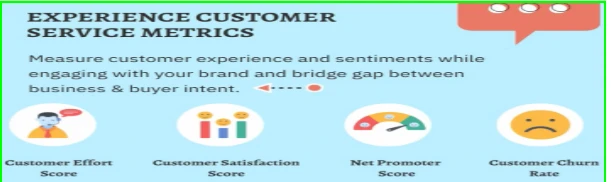
These are numbers or measurements that show how effectively the agents are serving customers and meeting business expectations.
These metrics can include:
- Customer satisfaction scores (also called CSAT)
- How quickly an issue is being resolved
- The number of customer issues handled per day
- Whether the customers are returning with the same problem
Managers use these metrics to track progress, identify gaps, and ultimately help agents improve their performance.
Note that exact metrics may vary depending on whether you're working in a voice or chat campaign. The purpose, however, remains the same: delivering a smooth and satisfying customer experience.
Why Do These Metrics Matter To An Agent?
The simple answer is that these metrics aren't just numbers.
They reflect the experience a customer walks away with after interacting with a brand. And in today's competitive market, customer experience (CX) plays a huge role in shaping brand reputation and loyalty.
Here's why the performance metrics matter:
- They show whether your assistance actually solved customer problems.
- They highlight areas where processes or training can improve.
- They help managers identify opportunities for coaching and professional development.
In short, understanding and improving these metrics directly impacts customer satisfaction, and your own professional growth.
Top CX Performance Metrics You Should Know
Now, let's walk through the most common customer support performance metrics, what they measure, and why they matter.
1. Customer Satisfaction Score (CSAT)
What it is:
A measure of how satisfied a customer was with the chat/call, which is usually collected through post-interaction surveys after the interaction.
Why it matters:
CSAT is one of the clearest indicators of how well you've met customer expectations. When CSAT improves, it means customers are leaving conversations feeling heard, supported, and satisfied.
However, CSAT has a counterpart you should watch out for: DSAT (Customer Dissatisfaction).
While CSAT reflects what you're doing right, DSAT highlights where something may have gone wrong. Paying attention to both gives you a complete picture of your performance and areas for improvement.
Benchmark Tip:
A high-performing agent typically has a CSAT score between 75% - 90% or higher.
2. First Contact Resolution (FCR)
What it is:
The percentage of customer issues resolved during the first interaction without any follow-ups.
Why it matters:
Customers dislike repeating their problems. And they dislike it even more when they have to come back with the same issue again and again.
A strong FCR would indicate that you have the confidence, knowledge, and it is a testament to the fact that you can solve problems efficiently.
Benchmark Tip:
An average agent has a FCR of around 70 - 75%. However, if you want to become a good agent, then target yourself for a FCR of 80% or above.
Dig Deeper: First Call Resolution: Why It Matters and How to Improve It
3. Average Handle Time (AHT)
What it is:
The average time spent handling a customer interaction, including talk time and - if applicable - any after-call/chat recording work.
Why it matters:
AHT measures efficiency. But efficiency does not mean rushing. In fact, a very low AHT may indicate incomplete resolutions, while a very high AHT may signal inefficiencies. The goal is to keep a balance.
Target:
On average, handling a call within 3-4 minutes is the industry benchmark. So aim to keep your calls within that amount of time.
4. First Response Time (FRT)
What it is:
How quickly a customer receives an initial response, even if the issue isn't resolved immediately.
Why it matters:
Speed reassures customers. Even a simple acknowledgement such as, "We're looking into this for you" makes the customers feel valued and leaves a good impression.
Target:
Typically, in a BPO company like ibex. Pakistan, the call/chat should be responded within half a minute. Furthermore, companies that also handle email queries keep their FRT under an hour.
How Performance Metrics Actually Work in Customer Support Roles
Now that you know what these metrics are, let's talk about how they actually work in day-to-day customer support roles.
When you look at your performance dashboards, here's how you should interpret it:
It's Not A Verdict
If your FCR (recall: first contact resolution) drops one week, it doesn't mean you're a bad agent. It may simply indicate that you had to handle quite a lot of complex customer cases or unclear processes. And that's completely okay. There will be both good and bad days.
The key is to recognize patterns. What worked, what didn't, and how you could improve future interactions.
Over time, you naturally begin picking up behavioral cues that help you manage conversations more confidently while navigating "sensitive" situations.
They Could Be Highlighting Gaps In The Process
Performance metrics don't just evaluate agents. They also reveal if there are any challenges in the system.
For example:
- Repeated customer complaints may indicate product issues.
- Longer handle times might signal unclear work procedures.
- Low resolution rates (meaning there are a high number of unsolved customer cases) may highlight training gaps.
In some cases, the issue isn't the agent. It is the process. Metrics help organizations identify where additional support, tools, or training are needed.
They Evolve With Context
Product launches, peak seasons, technical outages, language barriers, and customer volume. All of these affect metrics. And a good manager understands the context first instead of judging numbers blindly.
This is the essence of how performance metrics actually work in customer support roles. They are tools for growth, not judgment.
Tips for Improving Customer Support Performance Metrics
Improvement takes time, and that's completely normal.
Here are practical strategies that actually work.
1. Improve Your Knowledge & Preparation
Customers expect the agents to be knowledgeable enough to assist them. The better you understand common issues and solutions, the quicker you resolve tickets and improve both your CSAT and FCR.
Tip: Keep a personal cheat sheet of common problems and solutions. Reflect back on the calls/chats you have had with customers. Analyze what tone or approach worked best.
And while every customer will come with different problems and different sentiments, you'll be able to pick up on some similar patterns.
2. Prioritize Clear Communication
Solving problems fast isn't just about speed, it's about clarity. Customers value clear explanations, even if it takes a bit longer.
Yes, explaining solutions properly might take slightly longer. But it reduces repeat contacts and helps you get a good CSAT score.
It's all about practice, really. Over time, you'll start identifying issues early and addressing concerns before the customers even voice them.
3. Master Time Management
Be mindful of your average handle time (AHT) without sacrificing quality.
Here are a few things you can do to master time management:
- Don't rush. Clarifying (even if it takes time) beats speed with confusion.
- Make a template for common responses.
- Organize your notes quickly after each interaction (or whenever you get the time).
4. First Response Time Is About Presence
Even if you can't solve it immediately, acknowledging a customer quickly goes a long way.
Tip: An immediate acknowledgment message sets a good impression, reduces frustration, and positively impacts both your FRT and CSAT score.
5. Ask for Feedback and Learn From It
Whenever CSAT surveys include comments, read them. They tell you why customers gave the score.
Scores tell you what happened.
Comments tell you why it happened.
And take it from us: feedback is one of the fastest ways to grow in your professional career, no matter which role you are in.
Wrapping Up
In the beginning, thinking about customer support performance metrics can seem a little intimidating.
But once you understand them:
- They become your compass.
- They help you focus on what matters.
- They help you grow professionally.
If you're just starting out or exploring customer support as a career, remember this: metrics are not your enemy, they are your roadmap to improvement and success.
And if you are interested in working as a customer representative in Pakistan, then welcome to the gang!
Want To Work At ibex. Pakistan?
View Our Latest Job Opportunities